Trendy Garden Ideas for Mansions to Transform Your Outdoor Space into a Luxurious Oasis
Transforming the outdoor space of a mansion can significantly enhance its beauty and value. Trendy garden ideas offer various design concepts to create inviting and functional landscapes. From Nordic designs to tropical oases, these strategies cater to different aesthetics and purposes. This article explores popular garden themes that elevate outdoor living in luxurious settings.
Nordic Garden Design for Modern Mansions
The allure of Nordic garden design lies in its emphasis on simplicity and natural beauty. This aesthetic resonates well with modern mansions, as it complements sleek architectural lines while introducing a warm, inviting atmosphere. Utilizing a subdued color palette that features earthy tones and textures creates a tranquil environment, ideal for relaxation and reflection.
To effectively implement this design style, selection of the right plants is crucial. Suitable choices include ferns, tiara, and native shrubs like Pinus mugo, which thrive in temperate climates. These varieties not only add movement and depth but also maintain the understated elegance characteristic of Nordic design.
- **Warm-toned materials**: Incorporating elements such as wood and stone enhances the natural feel. Using rustic wooden benches or stone pathways can create a harmonious connection between the house and garden.
- **Minimalist design elements**: Clean lines and uncluttered layouts keep the garden serene. Avoid overcrowded planting to ensure that each element stands out.
- **Corten steel features**: Rusted Corten detailing can introduce a touch of modern flair. These structured elements provide visual interest while blending seamlessly with the surrounding landscape.
Water features can also play a significant role in the Nordic garden trend. Small ponds or reflective pools not only add a soothing auditory component but also enhance the overall serenity of the space. The sound of gently rippling water creates a meditative environment ideal for unwinding.
Lighting is another essential aspect of Nordic garden design. Thoughtfully placed solar lights or minimalist fixtures can highlight paths and architectural features, allowing the garden to be enjoyed day and night. The soft glow produced by these lights adds warmth during the evenings, making the outdoor area feel inviting.
Landscaping in a Nordic style encourages a balance between manicured spaces and nature. Allowing some areas to retain their natural look can create a more organic feel, providing habitats for local wildlife while showcasing the beauty of native plants. This approach not only fosters biodiversity but also promotes sustainability.
Creating a Mediterranean Outdoor Living Space
Transforming an outdoor area into a Mediterranean haven invites warmth and relaxation, reminiscent of sun-soaked landscapes and vibrant coastal towns. This design aesthetic thrives in regions that experience ample sunshine, making it ideal for expansive yards and patios.
Essential elements characterize a Mediterranean garden, which often features a rich color palette of earthy browns, terracotta, and soft greens. By incorporating terracotta pots arranged with drought-tolerant plants, such as rosemary, lavender, and sedum, the outdoor space comes alive with both color and fragrance.
- Utilize rustic materials like gravel and stone for pathways to enhance the organic feel.
- Incorporate wooden pergolas adorned with climbing vines for sun protection and visual interest.
- Plant larger trees like olive and cypress to provide shade and create a tranquil atmosphere.
Furnishings should reflect rustic elegance, with weather-resistant seating options that blend seamlessly into the surroundings. Comfortable lounge areas complete with plush cushions and wooden furniture encourage relaxation and socializing. Designated dining spaces under shady canopies, where families can enjoy meals together, are central to the Mediterranean lifestyle.
To evoke a resort-like atmosphere, consider adding water features. Fountains made of natural stone or small pools can enhance the serene environment, further reinforcing the soothing qualities of the garden. The gentle sound of flowing water can serve as a calming backdrop, making outdoor living spaces feel even more inviting.
Integrating lighting into the design elevates the ambiance for evening gatherings. String lights or lanterns hung from trees and pergolas add a warm glow, creating a magical atmosphere that encourages outdoor enjoyment long after sunset. The interplay of light and shadow throughout the garden enhances its character and charm.
When planning a Mediterranean outdoor space, it’s essential to select plants that are both beautiful and suited to the local climate. Focus on native species to reduce water usage while promoting sustainability. A diverse array of flora that blossoms in various seasons offers continuous beauty, making the garden a lively retreat year-round.
Designing a Tropical Oasis in Your Backyard
A lush tropical oasis can transform any backyard into an exotic retreat, providing an invigorating escape from daily life. The essence of this design lies in creating a vibrant atmosphere filled with rich foliage, textures, and colors that evoke the feel of a tropical paradise.
Incorporating large-leaf plants and palms is essential for achieving this look. Varieties such as Fatsia Japonica and various species of banana plants not only create visual interest but also help to establish a layered effect in the garden. Mixing different heights and types of plants fosters depth and enhances the overall aesthetic.
- Choose tropical plants that thrive in your local climate.
- Consider including flowering species like hibiscus or bird of paradise for bursts of color.
- Incorporate lush ferns to add texture and soften the landscape.
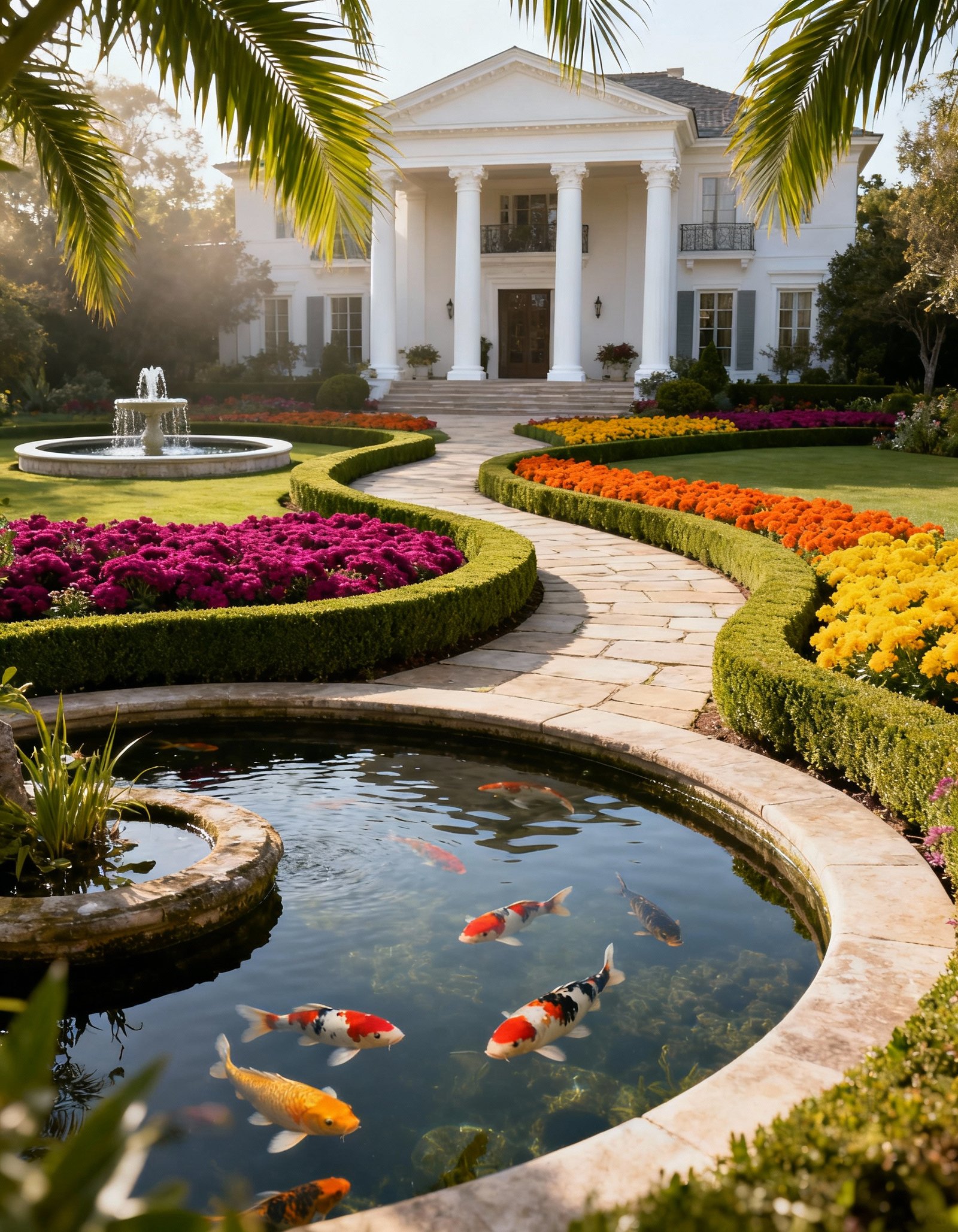
The incorporation of water features can further enhance the tropical experience. A small pond or fountain can add tranquility while attracting local wildlife. The soothing sound of flowing water complements the vibrant setting, making the outdoor space more inviting.
Creating shaded areas is also crucial in a tropical garden. Strategically placed larger trees, such as palms or mango trees, provide relief from the sun while contributing to the canopy effect. These shaded spots can serve as cozy nooks for relaxation, complete with comfortable seating and soft furnishings.
- Add hammocks or outdoor loungers for ultimate relaxation.
- Use Mediterranean-style pergolas adorned with climbing vines for additional shade.
Pathways can guide visitors through the garden, enhancing exploration and visual flow. Opt for natural stone or soft gravel that blends seamlessly with the landscape. This choice not only looks appealing but also allows for easy maintenance and access to different garden areas.
Lighting plays a vital role in extending enjoyment into the evening hours. Thoughtfully placed solar-powered lights can highlight pathways and create a magical ambience. Incorporating soft uplighting for key plants adds depth and drama to the outdoor space, making it suitable for evening gatherings.
With the right plant choices, water features, and design elements, a tropical oasis can provide a lush and immersive atmosphere. This vibrant landscape promotes a connection with nature while offering a serene escape that enhances outdoor living.
Wellness Gardens for Relaxation and Mindfulness
Creating a wellness garden is a thoughtful approach to enhancing mental clarity and emotional balance. These spaces are designed to promote relaxation and mindfulness through the careful selection of plants and strategic layout. Serenity is the key element in such gardens, making them perfect for retreating from the hustle and bustle of everyday life.
Incorporating features that encourage meditation and reflection can significantly improve the overall atmosphere. Consider adding a designated yoga space or a meditation nook surrounded by soothing greenery. Elements such as soft pathways leading to tranquil corners can provide a sense of journey and exploration within the garden. The use of natural materials helps to foster a connection with the environment.
- Fragrant plants such as lavender and chamomile are excellent choices for calming the senses. Their scents can create a peaceful ambiance that promotes relaxation.
- Sensitive to sound, water features like small fountains or ponds can enhance tranquility. The gentle sound of trickling water is relaxing and contributes to an overall peaceful experience.
- Soft-textured plants, including ornamental grasses and flowering flora, invite touch and interaction while adding beauty and movement to the garden.
In creating this serene setting, attention to color schemes can also play an important role. A palette of soft greens, blues, and earthy tones can evoke feelings of calm and wellness. The careful arrangement of these colors can draw the eye and guide visitors through the garden. Seasonal plants can ensure ongoing visual interest while maintaining the garden’s tranquility.
Furthermore, integrating comfortable seating areas can provide a space for relaxation and contemplation. Bench seating strategically placed under shady trees allows for peaceful reading or simple enjoyment of nature. The key is to create a seamless blend between functional spaces and beautiful landscaping.
Ultimately, a wellness garden acts as a sanctuary for self-care. It is an escape into nature that encourages mindfulness practices and fosters mental health. By designing these thoughtful spaces, homeowners can create an outdoor environment that not only looks beautiful but also nurtures the mind and spirit.
Multi-Functional Outdoor Living Areas
Creating a multi-functional outdoor living area offers the perfect blend of comfort, style, and practicality. These spaces can adapt to various activities, making them ideal for hosting gatherings, relaxing, or enjoying outdoor sports. Homeowners can design areas that cater to both leisure and entertainment needs, allowing for seamless transitions between different uses.
To effectively achieve this versatility, several key features can be incorporated into the outdoor layout:
- Outdoor Kitchen: An outdoor kitchen enhances the cooking experience and encourages alfresco dining. With modern appliances, ample counter space, and comfortable seating options, it becomes a central hub for social interactions and culinary adventures.
- Lounge Areas: Comfortable seating arrangements with plush outdoor furniture create inviting spots for relaxation. Shade structures like pergolas or umbrellas can enhance comfort, allowing for leisurely afternoons or evening gatherings under the stars.
- Activity Zones: Incorporating recreational spaces, such as a basketball court, pickleball area, or putting green, promotes an active lifestyle. These zones encourage family engagement and provide a space for friendly competitions.
- Fire Pits and Outdoor Heaters: Fire pits provide warmth and ambiance, making the outdoor space usable year-round. Gathering around a fire pit fosters connections among friends and family, especially during cool evenings.
- Dining Spaces: Designing a dedicated outdoor dining area with a large table and comfortable chairs allows for memorable mealtimes. This setup encourages enjoyable family dinners and casual brunches.
The integration of different materials can help delineate these areas within the garden. Using distinct hardscaping options like patterned tile, stone pavers, or wooden decking can clearly define each space while maintaining a cohesive overall design.
Another essential aspect is the inclusion of lush greenery and flowering plants. Carefully chosen vegetation can provide structure and create a natural flow between the various zones. Select drought-tolerant and native plants to ensure low maintenance while enhancing the visual interest of the landscape.
Ultimately, designing multi-functional outdoor living areas allows for enhanced usability and enjoyment. Creating spaces that can accommodate diverse activities adds significant value to a property while fostering a lifestyle that embraces outdoor living. These thoughtful designs ensure that the outdoor space of a mansion becomes a cherished extension of the home, perfect for any occasion.
Natural Swimming Pools and Eco-Friendly Design
In recent years, natural swimming pools have emerged as a stylish and sustainable alternative to traditional chlorine pools. These eco-friendly designs utilize plants and natural filtration systems to create clean, clear water without harsh chemicals. By integrating seamlessly into the landscape, they provide a tranquil oasis that enhances the overall beauty of the property.
The primary feature of a natural swimming pool is its filtration system, which relies on a combination of aquatic plants and biological processes to maintain water clarity. This method not only purifies the water but also creates a vibrant aquatic environment. Common plants used in these designs include water lilies, rushes, and various native species that thrive in wet conditions.
Natural swimming pools can be tailored to blend with the garden’s existing aesthetics. They can feature rock formations, sandy beaches, or even wooden decks to create a more organic feel. The surrounding landscape should be designed to enhance the view while providing privacy and seclusion. Consider integrating native plants and stones to maintain a harmony with the local ecosystem.
A key advantage of choosing this type of pool is its minimal environmental impact. These pools conserve water and require less maintenance than conventional pools, which often need constant chemical balancing and cleaning. By using natural methods for filtration, homeowners can contribute to the health of nearby wildlife habitats.
- Water Circulation: Utilizing pumps to improve water movement helps maintain clarity and temperature balance.
- Plant Selection: Choosing the right plants is crucial for effective filtration and aesthetic appeal. Plants should be selected based on their compatibility with the local climate.
- Zoning: Creating distinct areas within the pool, such as swimming zones and regeneration zones, enhances functionality and beauty.
- Natural Materials: Using materials like stones, boulders, and wood further integrates the pool into the natural landscape.
Creating a natural swimming pool involves thoughtful planning and design. It is essential to ensure the pool area is not only functional but also inviting and visually appealing. Elements like seating areas, pathways, and fire pits can be incorporated around the pool to foster social interaction and relaxation.
For those looking to invest in an outdoor space that is both luxurious and environmentally conscious, a natural swimming pool with eco-friendly design elements is an ideal choice. It symbolizes a commitment to sustainability while providing a serene retreat that enhances the property’s charm. The unique aesthetic and health benefits of these pools make them a trendy option for modern mansions.
Backyard Architecture to Enhance Outdoor Living
Incorporating architectural elements in backyard designs significantly elevates the outdoor aesthetic of a mansion. Structured features provide not only visual appeal but also functionality, allowing homeowners to maximize their outdoor experiences. Thoughtful design can transform ordinary spaces into beautiful retreats for relaxation and entertainment.
Implementing structures such as gazebos, pergolas, and outdoor pavilions can create defined areas within vast gardens. These architectural features serve various purposes, from providing shade to establishing focal points that draw the eye. Customized designs tailored to individual tastes can blend harmoniously with the landscape, enhancing the property’s overall charm.
- Gazebos offer a picturesque spot for gathering. Their roofed structures protect from sun and rain while providing an enchanting viewpoint of the garden.
- Pergolas, often adorned with climbing plants, create inviting pathways and lounge areas. They provide a balance between sun and shade, making outdoor spaces enjoyable throughout the day.
- Outdoor pavilions can serve as dining areas, further extending the home’s living space. These can be equipped with amenities such as outdoor kitchens or seating arrangements to host gatherings.
Incorporating these structures enriches the outdoor living experience significantly. Thoughtful placement of these elements within the landscaping creates flow and enhances accessibility. A well-designed layout encourages exploration and interaction with the garden, ensuring that the outdoor spaces are not only visually appealing but also functional.
Material selection plays a vital role in creating the desired atmosphere. Utilizing natural materials such as wood, stone, and metal can blend seamlessly with the environment. These materials not only add to the aesthetic but also ensure longevity, withstanding the elements while maintaining their beauty.
Lighting is another crucial consideration. Proper illumination around these architectural features can enhance their visual impact during evening hours. Strategically placed lights can create a magical ambiance, inviting residents and guests alike to enjoy the outdoor spaces under the stars.
By integrating thoughtful architectural elements, the backyard can evolve into an inviting and sophisticated area that complements the mansion’s grandeur. Each element works together to create a cohesive design, enhancing outdoor living in a way that celebrates both nature and architectural beauty.
Blooming Borders and Elegant Garden Edging
Well-designed borders and edges can transform even the simplest gardens into vibrant showcases. Strategic plant selection paired with careful planning creates an enchanting flow throughout outdoor spaces. Blooming borders can serve not only as a beautiful display but also as a means to delineate different areas within the garden.
To create an eye-catching border, utilizing a mix of flowering plants is essential. Incorporating various species that bloom in different seasons ensures a continuous display of color and texture. This approach adds depth and interest, captivating the senses all year round. Some popular choices for flowering hedges include:
- Hydrangeas for their lush blooms
- Roses, which add classic elegance
- Lavender for a fragrant and visually appealing option
The visual impact of garden edges should not be overlooked. Clean lines and defined borders help maintain a polished look. Employing materials like metal or stone for edging not only emphasizes pathways but also enhances the overall aesthetic. Crisp edges direct pathways and offer a sense of organization within the garden layout.
Combining flora with structured elements can yield stunning effects. For example, pairing perennial flowers with low-maintenance ornamental grasses creates an inviting ambiance. Hedges provide both privacy and beauty while acting as a natural fence. By planting these blooming hedges, homeowners enjoy the dual benefit of aesthetics and functionality.
Mixing plant colors and textures adds vibrancy and life to outdoor areas. By incorporating plants with varying heights, along with spilling flowers at the edges, a layered effect is achieved. This not only encourages exploration but also enhances the garden’s overall allure. Carefully selected borders invite visitors to wander and appreciate the beauty of the space.
Seasonal considerations play a significant role in edge design. Incorporating evergreens alongside flowering plants keeps the borders visually appealing throughout the year. This integration ensures that even in the colder months, the garden maintains interest and charm. Thoughtful placement of colors enhances not just beauty, but also the mood of the outdoor area.
Ultimately, blooming borders and elegant edging elevate the visual experience of a mansion’s garden. Such features encourage a harmony of structure and nature, promoting a serene environment. Transformative garden designs leverage these elements to create enchanting outdoor retreats that stand out in elegance.
Sustainable Landscaping Practices for Mansions
In today’s environmentally conscious society, sustainable landscaping practices have gained significant importance, especially for mansions with expansive outdoor spaces. This approach emphasizes the use of native plants and methods that not only enhance the aesthetic appeal but also promote ecological balance.
Employing native and drought-resistant plants can considerably reduce water usage. These species are well-adapted to the local climate and soil conditions, requiring less maintenance and providing essential habitats for local wildlife. When selecting plants, it’s beneficial to research local varieties that thrive in the specific environment. This strategy leads to a flourishing garden while ensuring a minimal ecological footprint.
Implementing features like rain gardens is another effective method for managing water runoff. These landscaped areas can capture and absorb excess rainwater, promoting healthier soil and reducing erosion. Additionally, using mulch can help retain moisture in the soil, reducing the need for frequent irrigation while suppressing weed growth.
- Incorporating permeable paving materials in pathways helps manage rainwater effectively.
- Seasonal planting can create a dynamic garden that changes throughout the year while minimizing resource use.
- Composting garden waste not only enriches the soil but also reduces landfill contributions.
Using organic fertilizers and natural pest control methods supports a healthier garden ecosystem. This practice avoids the detrimental effects of synthetic chemicals on both plants and surrounding wildlife. Additionally, creating habitats by including features such as birdhouses or bee hotels promotes biodiversity and enhances the garden’s natural charm.
Documenting the landscape’s seasonal changes can also encourage a deeper appreciation for the environment. Native plant species often provide beautiful blooms throughout different seasons, offering lasting visual interest while supporting local wildlife.
Integrating environmentally friendly practices in landscaping for mansions not only contributes to sustainability but also cultivates a garden that reflects the homeowner’s commitment to ecological responsibility. These strategies can form the foundation for a truly stunning outdoor space that harmonizes with nature.
Innovative Lighting Ideas to Elevate Outdoor Spaces
Lighting plays a crucial role in enhancing the atmosphere of outdoor spaces, transforming them into enchanting environments perfect for relaxation and entertainment. The right lighting can accentuate architectural features, illuminate pathways, and create breathtaking focal points that invite exploration and enjoyment.
One effective strategy is to incorporate a variety of lighting styles. This variety adds depth and intrigue to the outdoor setting. Consider using:
- Solar-Powered Lights: These eco-friendly options reduce energy costs while providing a soft glow that enhances pathways and garden features.
- String Lights: Ideal for creating a festive atmosphere, string lights can be draped over pergolas or trees, offering a whimsical touch to gatherings.
- Landscape Uplighting: Highlighting trees or architectural elements with uplights creates a dramatic effect, drawing attention to the beauty of the landscape during nighttime.
- Lighted Pathways: Using recessed lights or lanterns along pathways ensures safe navigation while adding an elegant touch to the overall aesthetic.
Incorporating smart lighting systems allows for customizable control over brightness and color, enhancing the usability and mood of the outdoor space. Homeowners can adjust lighting temperatures to create a warm ambiance or a cool, modern feel, depending on the occasion.
Another innovative approach involves using embedded lights in decking or steps. This method not only boosts safety but also adds a sleek design element that blends seamlessly with the surroundings.
Water features, such as fountains or ponds, can also benefit from strategic lighting. Underwater LEDs produce captivating reflections that enhance the visual appeal while adding a serene atmosphere to the garden.
To emphasize plant life, downlighting can be utilized to cast gentle light over flower beds and shrubs, showcasing their beauty while creating soft shadows. Different placements and angles of lights can produce varied effects that enhance the evening garden experience.
Ultimately, lighting should complement the garden’s design while enhancing its usability after dark. Thoughtful placement of fixtures can transform any outdoor space into a captivating venue where homeowners and guests can enjoy enchanting evenings surrounded by nature.