Improving Acidic Soil with Eggshells: A Natural Alternative to Lime
Have you ever looked at a pile of eggshells in your kitchen and felt a pang of guilt? You know they shouldn’t just go in the trash, but what else can you do? That simple question is the start of a beautiful journey for your garden.
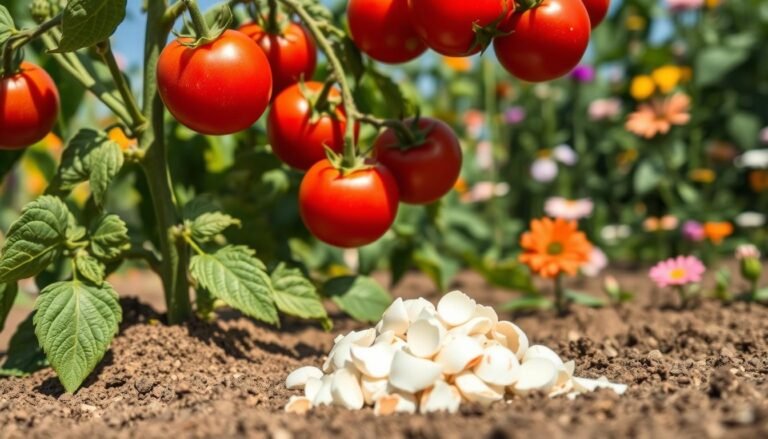
Those fragile shells hold a powerful secret. They are packed with calcium carbonate, the very same compound found in store-bought garden lime. This means your breakfast leftovers are a natural powerhouse for your plants with Improving Acidic Soil with Eggshells .
By choosing to recycle this common kitchen waste, you make a positive choice for your garden and the environment. You can nourish your plants and reduce landfill waste at the same time. It’s a simple shift that connects you more deeply to the cycle of growth in your own backyard.
This guide will show you how to turn those discarded shells into a valuable resource. You’ll learn the easy steps to prepare and apply them, unlocking their potential to create a healthier, more balanced growing space for everything you love to cultivate.
Key Takeaways
- Eggshells are a natural source of calcium carbonate, identical to the active ingredient in garden lime.
- Repurposing kitchen waste like shells benefits your garden and helps the environment.
- Using this method can save you money on commercial soil amendment products.
- The process is simple and fits perfectly into an organic gardening lifestyle.
- This technique helps create optimal pH conditions for plant health and growth.
- You can feel good about reducing household waste while nourishing your soil.
Understanding Soil Acidity and Calcium Deficiency
When your vegetables show signs of distress, the problem often starts beneath the surface. Many common gardening practices can gradually change your garden’s chemistry without you realizing it.
What Causes Soil Acidity?
Your garden’s pH level naturally shifts over time. Rainfall, decomposing organic matter, and materials like pine needles or oak leaves can make your ground more acidic.
When pH drops below 6.0, essential nutrients become locked away. Your plants can’t access what they need for healthy growth, even with perfect care.
The Importance of Calcium for Plant Health
Calcium is crucial for strong plant development. It builds sturdy cell walls and supports robust root systems.
Without enough of this vital nutrient, you might see blossom end rot on your tomatoes and peppers. These dark, sunken spots ruin your harvest.
Testing your ground’s pH is the first step to solving these issues. Most extension services offer affordable testing to guide your amendments.
Improving Acidic Soil with Eggshells
It might seem like magic, but turning kitchen scraps into a powerful garden amendment is pure science. The key lies in the primary component of those discarded shells.
The Science Behind the Shell
Eggshells are overwhelmingly made of calcium carbonate. This is the very same substance found in agricultural limestone. Your kitchen waste contains a professional-grade resource.
When you add crushed shells to your garden, the calcium carbonate gets to work. It gently neutralizes excess acidity in your ground. This process creates a better environment for your plants to absorb nutrients.
The high calcium content does more than just adjust pH. It directly feeds this crucial mineral to your plants. This supports strong cell walls and healthy root development.
This natural addition releases its benefits slowly. Unlike fast-acting commercial amendments, there’s no risk of shocking your plants. It’s a gentle, steady way to nurture your soil.
Each shell you use is a small step toward a healthier garden. You’re making a smart choice for your plants and the planet.
Preparing Eggshells for Garden Use
The transformation from kitchen scrap to garden gold begins with a few essential preparation steps. Proper handling ensures your eggshells become an effective amendment rather than just garden clutter.
Cleaning and Sterilizing Your Eggshells
Start by rinsing your shells thoroughly after cracking eggs. Remove all residue to prevent odors that attract pests. This simple process takes just a few minutes but makes a big difference.
Drying is crucial before sterilization. Let your eggshell collection air dry completely. Then bake at 200-250°F for 10-20 minutes to eliminate harmful bacteria.
Many gardeners use a passive method. Keep a bowl of shells in a warm oven to gradually dry them. This approach avoids strong odors while still killing bacteria effectively.
Effective Crushing Techniques
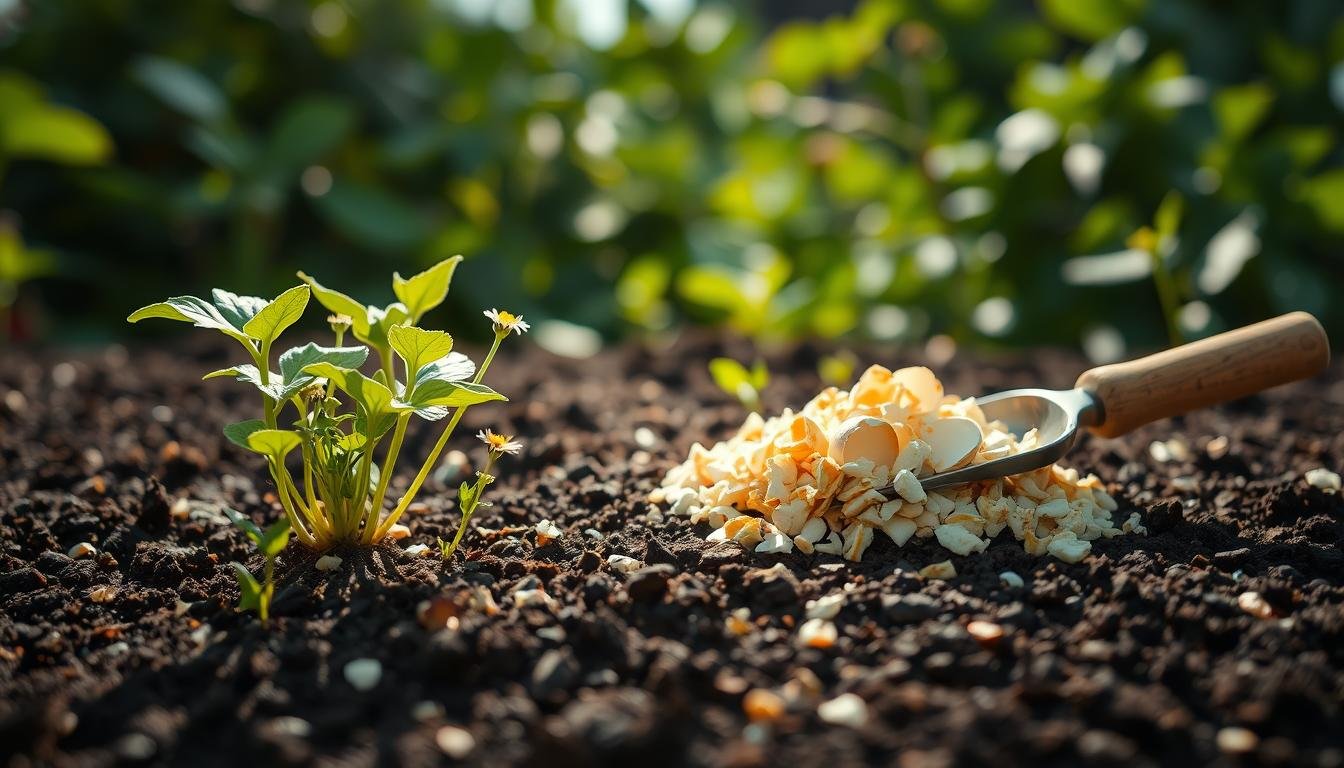
Choose your crushing method based on desired results. A food processor creates fine powder quickly. For more control, use a mortar and pestle or rolling pin.
The particle size determines how quickly your crushed eggshells work in the ground. Fine powder breaks down within months. Coarser pieces release nutrients slowly over years.
Store your prepared eggshells in airtight containers. This keeps them ready for whenever your garden needs a calcium boost. The entire process is straightforward and yields excellent results.
Application Methods: Soil, Compost, and Liquid Fertilizer
The real magic happens when you discover how versatile prepared eggshells can be throughout your gardening routine. You have three main options for putting your kitchen treasure to work.
Incorporating Eggshells into Your Soil
Mix half a cup of finely ground powder per square foot into the top few inches of your garden bed. Fall application gives shells time to break down before spring planting.
Always test your pH first. If it’s below 6.0, this method works perfectly. The calcium releases slowly over several months.
Eggshells in Your Compost Bin
Your compost pile loves eggshell additions. They balance acidity from coffee grounds and fruit waste. Aim for about 5% of your total compost volume.
The shells improve aeration and speed up decomposition. Your finished compost will be rich in valuable calcium for your plants.
Creating a Calcium-Rich Liquid Fertilizer
For quick results, make a water-soluble solution. Combine two tablespoons of ground material with two tablespoons of vinegar. Let it sit for 12-24 hours.
Strain and dilute with a gallon of water. Use this as a foliar spray or soil drench for immediate plant uptake.
| Method | Best For | Timing | Results Timeline |
|---|---|---|---|
| Direct Soil Application | Long-term soil building | Fall season | 6+ months |
| Compost Addition | Balancing compost pH | Year-round | With finished compost |
| Liquid Fertilizer | Quick calcium boost | Growing season | Immediate |
Additional Benefits: Pest Control and Improved Soil Structure
Your eggshell amendment strategy delivers benefits that extend far beyond simple pH correction. These versatile kitchen leftovers serve multiple purposes in your garden space.
They provide protective and structural advantages that make your plants more resilient. You get comprehensive garden care from one natural material.
Using Eggshells to Deter Pests
Crushed shells create an effective barrier against destructive garden invaders. The sharp edges work like natural diatomaceous earth against soft-bodied pests.
Slugs and snails avoid crawling over these abrasive fragments. This protection keeps your vulnerable plants safe from damage.
Apply quarter-inch pieces in a protective ring around plant bases. This creates a moat that deters cutworms and similar pests effectively.
Enhancing Airflow and Drainage in Your Garden
Finely ground material significantly improves your soil’s physical properties. The particles create tiny air pockets throughout your garden bed.
This enhanced aeration allows roots to access oxygen more easily. Better drainage prevents waterlogging that can harm plant health.
Your garden gains valuable trace minerals beyond calcium content. Magnesium, phosphorus, and potassium all contribute to robust growth.
These additional elements support chlorophyll production and energy transfer. Your plants receive comprehensive nutrition from this single amendment.
Integrating Eggshells with Your Organic Gardening Routine
Building a balanced organic garden means understanding how different amendments work together harmoniously. Your eggshell strategy becomes most effective when you know which plants benefit and how to combine them with other natural materials.
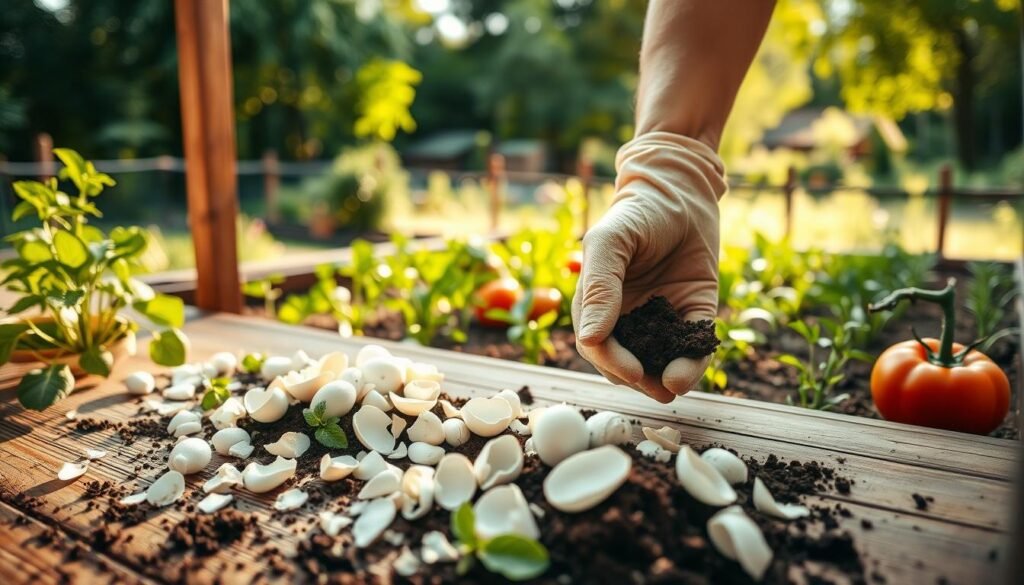
Some vegetables absolutely thrive with eggshell additions. Heavy calcium feeders like tomatoes and peppers show dramatic improvement when you add crushed shells to their planting holes.
Pairing with Other Natural Amendments
Your brassicas like cabbage and broccoli also love this natural calcium boost. Leafy greens such as spinach and kale use the mineral to build strong, crisp cell structures.
Even your houseplants benefit from a sprinkle of eggshell powder. African violets, orchids, and spider plants appreciate the extra calcium for vibrant growth.
However, avoid using shells around acid-loving plants. Blueberries, azaleas, and hydrangeas prefer acidic conditions and will suffer if you raise the pH.
| Plant Type | Eggshell Benefit | Application Timing |
|---|---|---|
| Tomatoes & Peppers | Prevents blossom end rot | At planting & mid-season |
| Leafy Greens | Strengthens cell structure | Early growth stage |
| Brassicas | Supports dense head formation | Throughout growing season |
| Acid-Loving Plants | Avoid completely | N/A |
Pairing eggshells with coffee grounds creates perfect balance. The acidic, nitrogen-rich grounds complement the alkaline, calcium-rich shells beautifully.
Remember to use shells in moderation and test your soil periodically. Excessive calcium can lock up other nutrients like magnesium and potassium.
Creating a rotation where you add shells 2-4 times per year ensures your plants benefit without overwhelming your garden’s nutrient balance.
Conclusion
The connection between your kitchen and garden just became more meaningful with this simple recycling practice. You’re now equipped to transform ordinary kitchen waste into extraordinary garden wealth.
Remember that patience is your partner here. Ground eggshells release their benefits slowly over 6-12 months. Consistent application builds increasingly healthy soil that supports robust plant growth season after season.
Your plants will thrive with the steady calcium supply that prevents common issues. You’ll also enjoy bonus benefits like natural pest control and improved drainage. Every shell you save represents a small investment in your garden’s future productivity.
Start with a simple collection bowl and develop your rhythm. For severely acidic conditions, consider commercial lime for quick correction while building your eggshell supply for long-term maintenance. Your journey toward healthier plants and a better environment begins with that first saved shell.