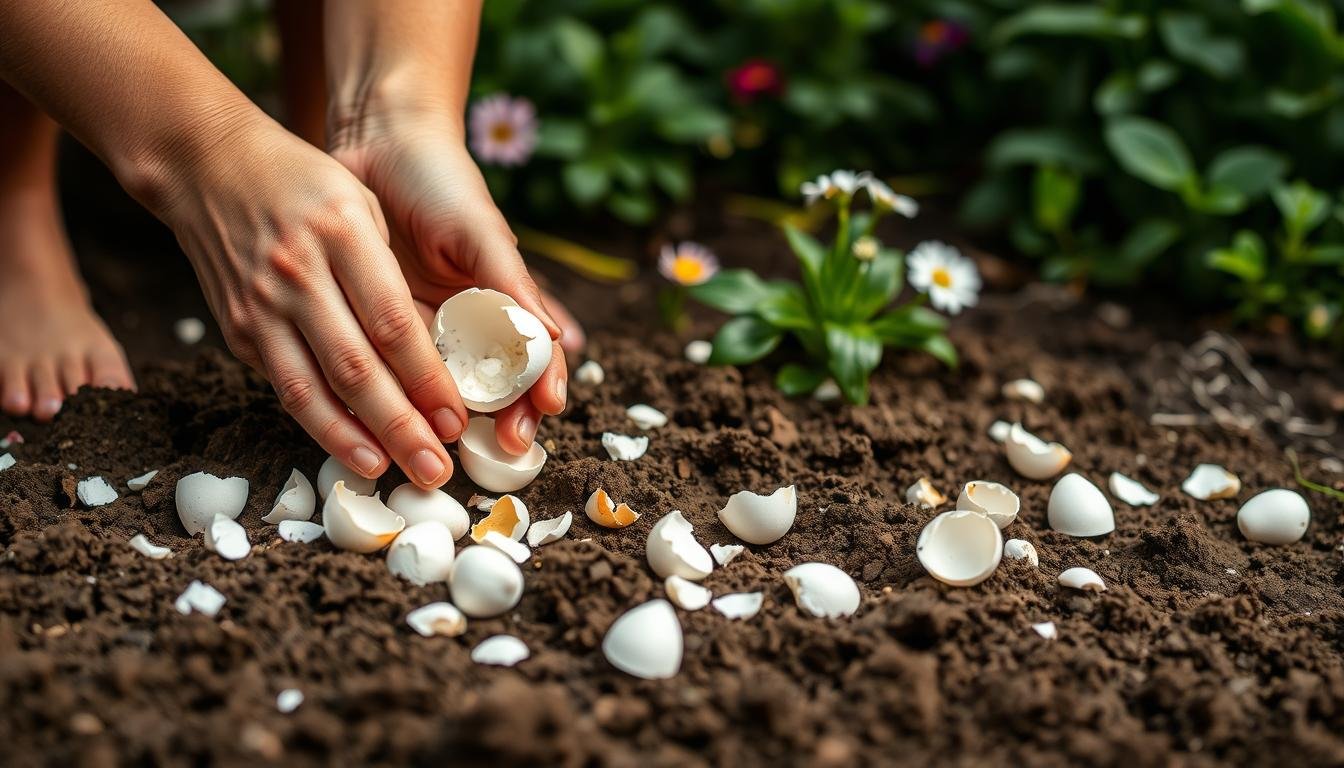
How to Use Eggshells to Improve Soil Structure and Promote Healthy Plants
Do you ever look at that bowl of leftover shells after making breakfast and wish they could be more than just trash? That simple desire to give everyday items a second life is at the heart of sustainable living. For anyone who loves their garden, this feeling is especially strong. You want everything to thrive, and you’re always looking for natural ways to help for Eggshells .
You might have heard that adding these kitchen scraps to your planting beds is a great idea. Many gardeners try it, hoping to give their tomatoes and other plants a vital nutrient boost. But then comes the disappointment. You check your compost pile months later and find the pieces are still there, whole and unchanged. The promised benefits never seem to materialize.
The secret isn’t *what* you use, but *how* you prepare it. This common frustration happens because a critical step is often missed. When prepared correctly, this free resource can be as effective as store-bought solutions. This guide will show you the simple methods that actually work, turning your kitchen waste into a powerful tool for a healthier, more vibrant garden.
Key Takeaways
- Proper preparation is the key to unlocking the nutritional benefits of eggshells for your plants.
- Simply tossing whole shells into your garden or compost often leaves the calcium locked away and unavailable.
- Correctly processed shells can be a highly effective, free alternative to commercial soil amendments.
- This method is particularly useful for preventing common issues like blossom end rot in vegetables.
- You will learn a complete system for collecting, preparing, and applying this material for maximum impact.
- Beyond enriching soil, eggshells have other practical uses around the home and garden.
Benefits of Eggshells for Your Garden
Scientific studies confirm what experienced growers have long suspected: properly processed kitchen scraps can transform your garden’s health and productivity. The key lies in understanding how to make nutrients available to your plants.
Enhancing Soil Calcium and Nutrient Levels
Research from the Alabama Cooperative Extension reveals crucial insights. They tested different preparation methods against pure calcium and agricultural lime.
Coarsely ground material “were not much better than nothing at all.” However, finely powdered shells performed just as well as pure calcium. Both options outperformed traditional agricultural lime.
| Preparation Method | Calcium Availability | Effectiveness vs Lime |
|---|---|---|
| Coarse Crushing | Very Low | Minimal Improvement |
| Fine Powder | Excellent | Superior Performance |
| Commercial Calcium | Excellent | Reference Standard |
Reducing Blossom End Rot and Other Deficiencies
This calcium delivery system directly addresses common plant problems. Blossom end rot in tomatoes stems from insufficient calcium uptake.
Properly prepared shells provide essential nutrients that support strong cell development. Your vegetables will show improved vitality and resistance to deficiency issues.
Container-grown specimens benefit significantly from this supplementation. Nutrients deplete faster in confined spaces, making consistent calcium availability crucial.
Understanding Eggshell Composition and Its Role in Healthier Plants
The humble eggshell contains a powerful secret that, when understood, transforms it from kitchen waste to garden treasure. Knowing what’s inside these common items helps you use them effectively.
The Makeup of an Eggshell: Calcium Carbonate and More
Chicken eggshells consist of 93 to 97 percent calcium carbonate. This mineral gives the shell its protective strength.
Beyond this primary component, shells contain additional calcium, nitrogen, and phosphoric acid. These elements work together to create a nutrient-rich amendment.
The calcium carbonate structure that protects developing chicks also strengthens plant cell walls. This natural design makes shells ideal for garden applications.
How Nutrients Support Plant Growth
When plants absorb calcium from properly prepared shells, they develop stronger stems and more resilient tissues. This improves their resistance to environmental stresses.
The nitrogen and phosphoric acid content supports leafy growth and root establishment. Your plants receive balanced nutrition from this single source.
This nutrient profile makes shells particularly valuable for crops demanding high calcium levels. You can prevent deficiency symptoms before they appear.
The organic composition means nutrients release gradually as shells break down. This provides sustained feeding rather than quick spikes from synthetic fertilizers.
Preparing Eggshells for Maximum Impact
Proper preparation turns what many consider waste into a powerful amendment for your plants. The right techniques ensure nutrients become available to your garden.
Cleaning, Drying, and Pasteurizing Techniques
Start by rinsing your shells thoroughly with warm water. This removes any residue that could attract pests. Let them air dry completely before storage.
Baking at 350-400°F for 10 minutes serves two purposes. It eliminates salmonella risks and makes the material brittle. This crispness helps during the grinding phase.
Grinding Methods: From Coffee Grinders to Mortar and Pestle
The fineness of your powder determines its effectiveness. Research shows coarse crushing provides minimal benefits. Fine particles release calcium much faster.
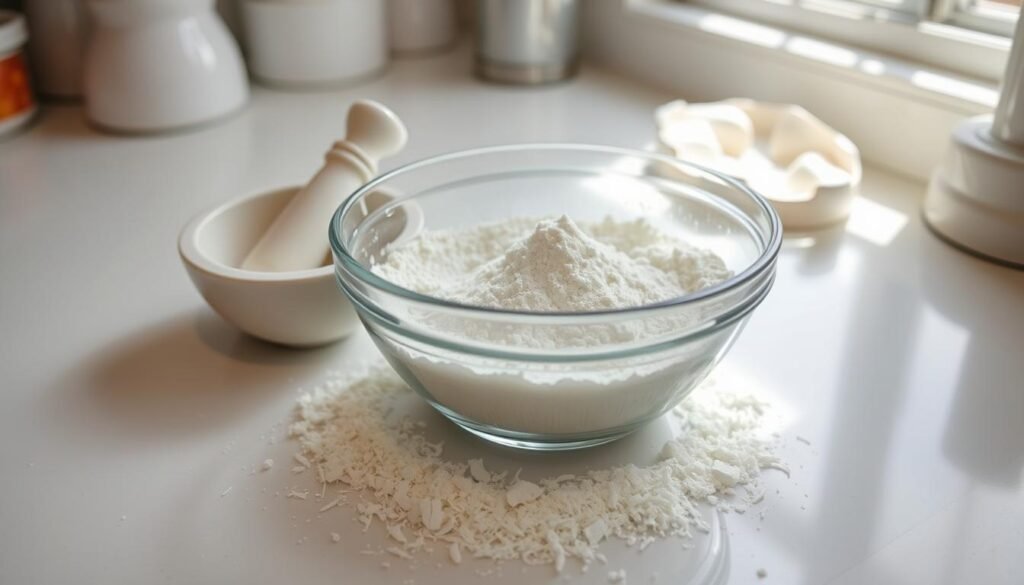
A dedicated coffee grinder creates the best consistency for quick nutrient release. If you don’t have one, several alternatives work well. Choose based on your available tools.
| Method | Effectiveness | Ease of Use | Equipment Cost |
|---|---|---|---|
| Coffee Grinder | Excellent | Very Easy | Low-Medium |
| Blender/Food Processor | Good | Easy | Medium-High |
| Mortar & Pestle | Fair-Good | Moderate | Low |
| Rolling Pin Method | Fair | Easy | Very Low |
Store your finished powder in an airtight container. Keep it in a dry location for future use. Your plants will thank you for the careful preparation.
Using Eggshells in Gardening
Now that you have perfectly prepared material, let’s explore its many applications. These methods turn your kitchen treasure into garden gold.
Application in Soil and Compost Piles
Your compost pile benefits greatly from this addition. The calcium content helps balance pH levels while speeding up decomposition.
Worm bins particularly love the gritty texture. It helps earthworms digest their food more efficiently. Your finished compost becomes richer and more valuable.
When planting tomatoes, add a handful to the planting hole. This provides slow-release calcium directly to the roots. Container gardening also benefits from this technique.
For immediate results, try making a liquid solution. Boil 10-20 shells overnight, then strain. Apply two cups per plant every two weeks during growth periods.
Strategies for Pest Control and Seed Starters
Create a protective barrier around vulnerable plants. The sharp edges deter soft-bodied pests like slugs and snails effectively.
Remember to use sanitized material for pest control. Otherwise, you might attract rather than repel these creatures. Reapply after heavy rainfall.
Transform half-shells into biodegradable seed starters. Fill them with soil and plant your seeds directly. The roots grow right through the material when transplanted.
Water carefully when using this seed starting method. There’s no drainage hole, so light misting works best. Harden off seedlings before moving them to garden beds.
Creative Home and Garden Applications for Eggshells
Your journey with this versatile kitchen byproduct doesn’t have to end at the garden’s edge. Discover how these common items can serve multiple purposes throughout your living space.
Extra Uses in the Kitchen, Drain Cleaning, and More
Transform your cleaning routine with a powerful natural abrasive. Mix one cup of finely ground material with three cups of baking soda. This combination tackles stubborn baked-on food without harsh chemicals.
Your kitchen drains will thank you for periodic additions of crushed shells. The abrasive texture helps break down buildup in garbage disposals naturally. This simple maintenance prevents clogs effectively.
Coffee lovers can enjoy a smoother brew by adding crushed shell from one raw organic egg to four servings of grounds. The alkaline properties neutralize acidic compounds while helping grounds settle better.
Environmentally Friendly Solutions for Your Home
Create a nourishing calcium supplement by grinding thoroughly cleaned organic shells into fine powder. Consume one teaspoon daily or half a teaspoon for pets. This provides essential minerals in a natural way.
The thin membrane inside works as an emergency bandage for minor cuts. Apply it while slightly damp and let it dry overnight. This creative solution uses every part of the item.
For fermented beverages like water kefir, add half a crushed shell to re-mineralize the liquid. This keeps your kefir grains healthy and productive. The calcium enrichment benefits the final product.
Creative projects like homemade sidewalk chalk or decorative votive candles offer fun ways to reuse materials. These activities teach resourcefulness while reducing waste in your home.
Tips, Tricks, and Best Practices
Consistency and integration are the twin pillars that elevate simple applications into a comprehensive soil-building strategy. Mastering these principles ensures your efforts yield maximum benefits.
Optimizing Eggshell Use with Consistent Preparation
The fineness of your grind determines how quickly nutrients become available. Fine powder releases calcium within weeks, while coarse chunks can take a full year.
| Grind Size | Breakdown Time | Calcium Availability |
|---|---|---|
| Fine Powder | 2-4 Weeks | Immediate |
| Medium Grind | 2-3 Months | Gradual |
| Coarse Chunks | 12+ Months | Slow Release |
For severe calcium deficiency in tomatoes, use an emergency lime solution. Dissolve 1-2 handfuls of barb lime in one gallon of water.
How to Integrate Eggshells with Other Organic Amendments
The most successful gardens build soil health through layered, complementary amendments rather than relying on single solutions.
Combine your calcium supplement with compost, aged manure, or leaf mold. This creates a complete nutrient package addressing multiple plant needs.
If you keep backyard chickens, feed ground powder back to your flock. This provides essential calcium for strong egg production without encouraging egg-eating behavior.
Balance is crucial. Conduct soil tests periodically to guide your amendment strategy and avoid nutrient imbalances.
Conclusion
You’ve discovered how to unlock the hidden potential in something most people throw away. Your kitchen waste now holds the key to healthier, more productive cultivation.
The techniques you’ve learned—especially fine grinding—transform ordinary shells into powerful amendments. This free resource delivers essential calcium and other nutrients as effectively as store-bought products.
Whether preventing blossom end rot or enriching your compost, these versatile solutions benefit both your plants and the environment. Consistency is your greatest ally—establish a routine for collecting and processing throughout the year.
Start saving those shells today. Within weeks, you’ll see real improvements in your garden’s vitality. You’re now part of a community that recognizes this humble material as nature’s gift to sustainable growing.