How Eggshells Help Prevent Blossom End Rot in Tomatoes
There’s nothing quite like the heartbreak of watching your beautiful, ripening tomatoes develop ugly, dark spots on their bottoms. You’ve nurtured your plants for months, only to see this common issue ruin your harvest. That frustration is real, and it’s often a sign of blossom end rot.
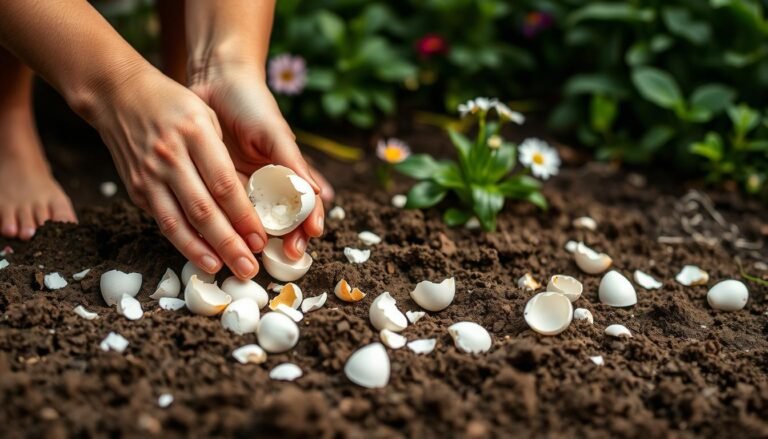
The good news is that a powerful solution is likely sitting in your kitchen trash. Eggshells are a gardener’s secret weapon. They address the root cause of the problem, which isn’t a typical plant disease but a lack of available calcium with Eggshells Help Prevent Blossom .
When your tomato plants can’t get enough of this crucial nutrient, it leads to poor cell development. This happens even if calcium is present in your soil. Factors like irregular water can lock it away, preventing uptake.
By using eggshells, you naturally enrich your garden’s foundation. This simple act of Soil Improvement & Disease Control boosts calcium levels, creating better conditions for strong plant growth and robust fruit development.
Key Takeaways
- Blossom end rot is primarily caused by a calcium deficiency in your tomato plants, not a pathogen.
- Eggshells are a fantastic, natural source of calcium that can help correct this imbalance in your garden soil.
- Consistent watering is critical because it helps plants absorb calcium effectively.
- Improving overall soil health with organic matter like eggshells supports stronger plant development.
- This method offers a simple, sustainable approach to preventing a very common gardening problem.
Understanding Blossom End Rot and Its Root Causes with Eggshells Help Prevent Blossom
The appearance of discolored, depressed spots on your tomatoes’ blossom ends signals a specific nutritional issue. Recognizing these symptoms early helps you address the real problem effectively.
Identifying Symptoms in Your Tomato Plants for Eggshells Help Prevent Blossom
You’ll first notice dark, water-soaked areas forming on the bottom of your developing fruit. These spots gradually expand and turn brown or black with a sunken, leathery texture.
Unlike damage from pests or typical plant diseases, this condition appears consistently on the blossom end. The affected areas don’t spread to other parts of the plant through pathogen contact.
Environmental Factors and Nutrient Deficiencies
This disorder stems from calcium deficiency in developing fruit tissue, not from pathogens, fungi, or bacteria. Your plants may have adequate calcium in the growing medium, but absorption issues prevent proper utilization.
Inconsistent moisture levels significantly impact nutrient uptake. When your garden experiences alternating wet and dry periods, calcium transport to fruits becomes disrupted.
Rapid growth during ideal conditions can also create problems. The plant’s demand for calcium outpaces its ability to deliver this essential nutrient to developing tomatoes.
Other factors like excessive nitrogen, root damage, temperature extremes, and low pH further complicate calcium absorption. Understanding these root causes helps you focus on proper solutions rather than unnecessary pathogen suppression methods.
Unlocking the Benefits of Eggshells for Your Soil
Those discarded eggshells from breakfast could be the key to solving your tomato troubles. They offer a natural, sustainable way to enhance your garden’s foundation for Eggshells Help Prevent Blossom.
Nutrient Contributions and Calcium Release
Eggshells are packed with calcium carbonate, providing about 95% of this essential mineral. This makes them a powerful organic amendment for your garden.
They release calcium slowly over time. Your plants get a steady supply throughout the growing season.
Beyond calcium, shells contribute trace amounts of magnesium and potassium. This creates a more complete nutrient profile in your growing medium.
Improving Soil Structure and Water Management with Eggshells Help Prevent Blossom
Crushed shells work as excellent organic matter. They help create better air pockets in your garden bed.
This improved structure allows for proper drainage. Your plants avoid waterlogged conditions that block calcium uptake.
Better soil means more consistent moisture retention. You’ll prevent the extreme wet-dry cycles that trigger blossom end rot.
By using eggshells, you’re creating a healthier environment for root development. Your tomatoes can absorb nutrients more efficiently.
Soil Improvement & Disease Control: Practical Strategies for Your Garden
Creating a resilient garden starts with fostering a living, breathing foundation beneath your feet. Your first line of defense against problems is a healthy, biologically active growing medium.
This approach focuses on building an environment where helpful organisms thrive. These beneficial microbes naturally suppress harmful pathogens through competition.
Biological Soil Preparation and Microbial Activity
You can boost this microbial activity before planting. Adding carbon sources or microbial stimulants via drip irrigation gives good bacteria and fungi a head start.
They colonize root zones early, creating a protective barrier. This simple step enhances natural disease suppression.
Organic matter like compost also feeds this system. It increases diversity and strengthens your garden’s immune response over time.
Cover Crops and Organic Amendments for Pathogen Suppression
Certain cover crops offer powerful disease control. Mustard varieties, for example, release natural biofumigants when incorporated into the soil.
This process helps manage various pathogens and nematodes. It’s a fantastic way to add nutrients while improving suppression.
Understanding the two main types of suppression helps guide your management choices.
| Type of Suppression | How It Works | Your Action |
|---|---|---|
| General Suppression | High microbial diversity and activity create a competitive environment against many pathogens. | Add compost and maintain consistent organic matter. |
| Specific Suppression | Particular beneficial bacteria target specific plant diseases. | Use targeted biological amendments like Bacillus subtilis products. |
By integrating these practices, you build a robust system. Your plants will be stronger and better equipped to resist issues, including blossom end rot.
Effective Eggshell Application Techniques for Tomato Health for Eggshells Help Prevent Blossom
Before you toss those shells into your garden bed, taking a few extra minutes can dramatically increase their benefit. Proper preparation ensures your plants get the calcium they need when they need it.
Preparing Eggshells for Maximum Impact
Start by rinsing the shells to remove any egg residue. Let them dry completely to prevent mold.
Next, crush them into a fine powder. A coffee grinder works best for this task. Finer particles break down faster, giving your plants a quicker calcium boost.
This simple prep work maximizes the effect of your effort. It speeds up the nutrient release into your garden’s foundation.
Application Timing and Integration with Other Practices for Eggshells Help Prevent Blossom
The best time to use this amendment is a few weeks before planting. This allows the calcium to start integrating.
You can also add a handful directly to each planting hole. This gives young roots immediate access.
For ongoing support, side-dress your crop during the growing season. Consistency matters for long-term plant health.
Combine shells with compost or other organic matter. This supports strong root growth and improves overall soil conditions for a healthier harvest.
Enhancing Soil Health Through Organic Matter and Beneficial Practices
Building a thriving garden ecosystem begins with nurturing the invisible world beneath your plants’ roots. When you enrich your garden’s foundation with organic materials, you create a living system that supports your tomatoes naturally.
Incorporating Compost and Natural Amendments
Different organic materials contribute unique benefits to your garden’s health. Finished compost provides stable organic matter that improves structure and nutrient retention.
Fresh materials like green manures contain available carbon that rapidly stimulates beneficial microbes. This diversity creates a competitive environment against plant pathogens.
Regular compost additions increase populations of helpful bacteria and fungi. These microorganisms actively compete with harmful pathogens through natural suppression mechanisms.
The presence of certain beneficial microbes can trigger your plants’ natural defense systems. This induced systemic resistance provides protection throughout the entire plant.
Complementary practices like crop rotation break disease cycles in your system. Minimum tillage preserves microbial communities and soil structure for better root development.
Building truly suppressive conditions requires consistent management over time. By combining these practices with your eggshell applications, you create comprehensive plant health.
Monitoring Your Soil: Testing, Adjustments, and Seasonal Tips with Eggshells Help Prevent Blossom
Smart gardening means staying one step ahead by regularly checking your soil’s vital signs. This proactive approach transforms your garden management from guesswork to confident decision-making.
Regular Soil Testing and Observations for Eggshells Help Prevent Blossom
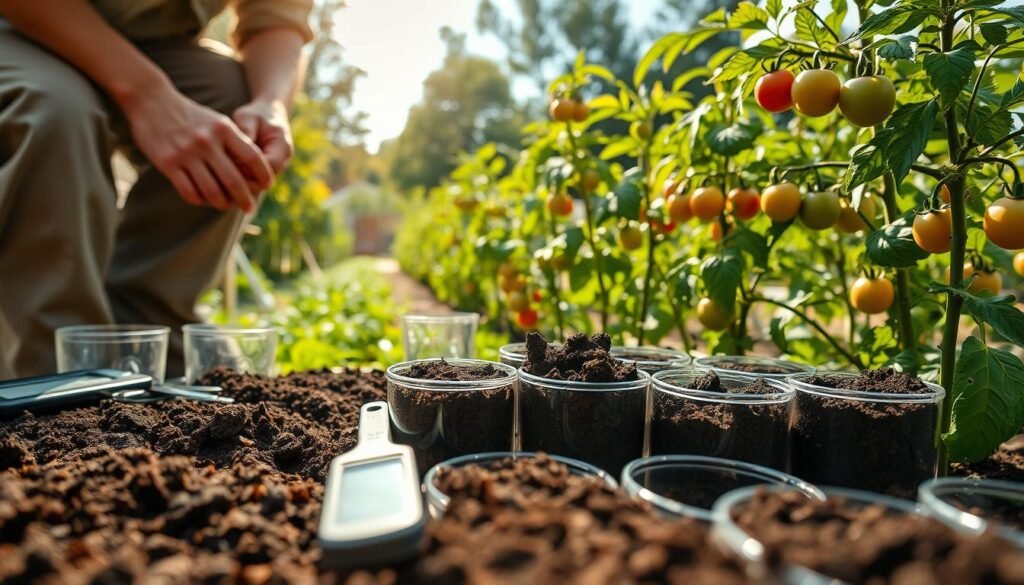
Start with a baseline test before adding any amendments. This gives you a clear picture of your starting conditions.
Periodic testing throughout the growing season reveals how your practices affect nutrient availability. You’ll track calcium levels along with pH and organic matter content.
Real-time sap testing shows actual nutrient levels in your plants. This helps you make adjustments before deficiencies affect crop health.
Adapting Practices for Changing Conditions for Eggshells Help Prevent Blossom
Your soil management should evolve with the seasons. Weather patterns and temperature changes influence nutrient availability.
Adjust your eggshell applications based on test results. Increase or decrease amounts depending on current calcium status.
Consider how your irrigation schedule and crop rotation affect microbial activity. These systems work together to create disease resistance with Eggshells Help Prevent Blossom.
Building truly suppressive conditions takes time. Consistent monitoring helps you fine-tune your approach over years.
By combining scientific testing with field observations, you develop the ability to create optimal growing conditions. Your tomatoes will thrive season after season.
Conclusion
The path to bountiful, beautiful tomatoes lies in building a holistic garden ecosystem. Your kitchen eggshells become a powerful tool in this journey, addressing calcium needs while contributing to broader soil health.
Remember that blossom end rot stems from nutritional imbalance rather than typical plant diseases. This understanding empowers you to focus on building naturally suppressive soil conditions. Your consistent practices create an environment where beneful microbes thrive and provide natural suppression against various challenges.
Combining eggshell applications with proper watering, organic amendments, and smart crop rotation creates lasting protection for your plants. This integrated approach supports resilient, productive crops season after season.
Your commitment to these practices transforms not just your harvest but your entire gardening experience. You’re building a foundation where healthy plants naturally resist issues, creating a more sustainable and rewarding garden.