Why is Ross So Cheap?
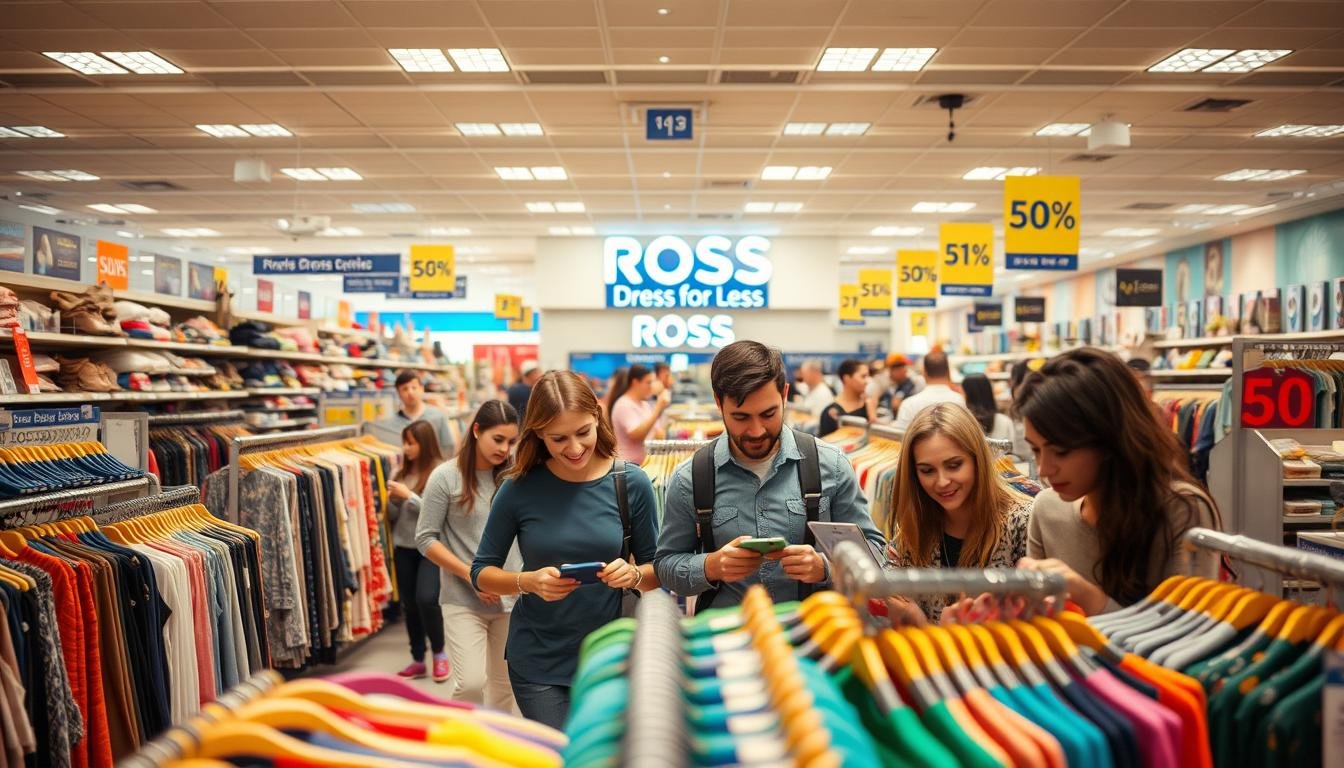
Walking into a Ross Dress for Less can feel like stepping into a treasure hunt. You find brand-name items with price tags that seem surprisingly low. This experience makes many shoppers wonder about the secret behind the incredible deals.
The answer lies in a unique retail model. Ross Dress stores operate as an off-price retailer. This is very different from your typical department store. Understanding this distinction is key to smart shopping.
This model allows them to offer a constant stream of discount prices. They use specific buying strategies and cost-saving methods. These practices have changed how Americans shop for clothes and home goods years ago.
Learning how these stores work helps you make the most of your visits. You can save more money and shop with confidence.
Key Takeaways
- Ross operates on an off-price retail model, which is different from standard department stores.
- Their buying strategies are the core reason for the consistently low prices you see.
- Shopping at Ross involves a “treasure hunt” experience due to ever-changing inventory.
- Understanding this model helps you become a smarter, more informed shopper.
- This guide will explore the specific practices that make these significant savings possible.
Ross Dress For Less: A Brief History and Business Model
Many shoppers don’t realize that the bargain-filled stores they love today started with one man’s dream in California. The journey from a single location to a national chain reveals how the business model evolved.
Founding and Early Years
Back in 1950, Morris Ross opened the first Ross Department Store in San Bruno. This was quite different from the discount powerhouse you know today. It operated as a traditional department store for many years.
The business changed hands eight years later when William Isackson purchased it. He expanded the concept across the San Francisco Bay area. By opening six more locations, he laid the groundwork for future growth.
Evolution into an Off-Price Retailer
The real transformation happened in 1982. A group of investors purchased those six department stores and completely reimagined the business. They adopted the off-price retail model that defines the brand today.
This shift wasn’t just a name change—it represented a fundamental new approach. The company went public with an IPO just three years after being acquired. This rapid success showed how quickly the concept resonated with shoppers.
Over the decades since its transformation, Ross has grown from those original Bay Area locations to hundreds of stores nationwide. The evolution from traditional retailers to off-price specialists took many years to perfect.
The Off-Price Retail Strategy: How Ross Keeps Prices Low
Ever wonder how certain retailers manage to offer such remarkable savings on brand-name products? The answer lies in their unique approach to the retail business. Unlike traditional department stores, these off-price retailers follow a different set of rules.
Sourcing Overstock and Factory Seconds
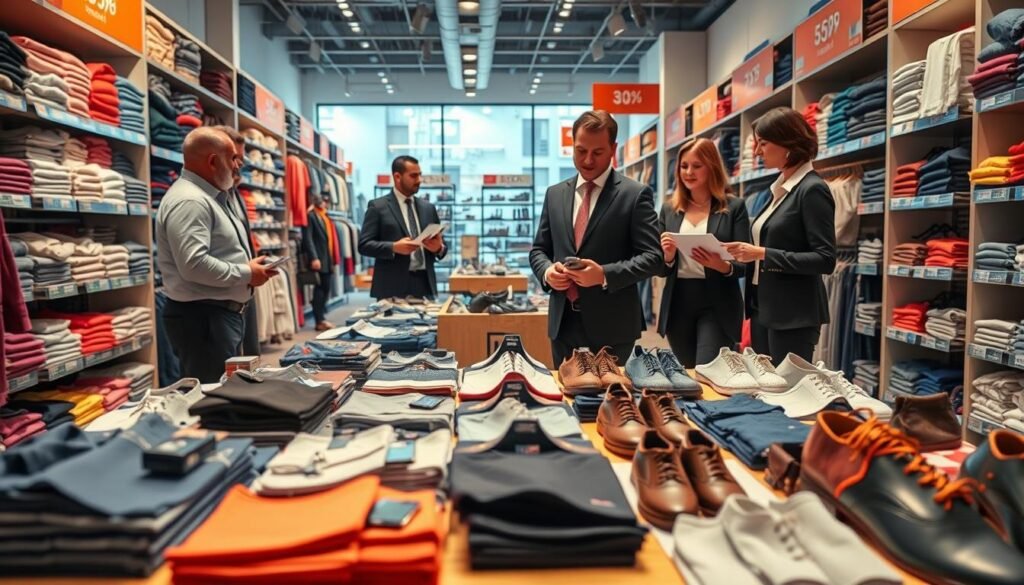
These stores acquire their merchandise through smart purchasing strategies. They buy overstock and unsold items from larger, full-price department stores. When manufacturers overproduce or retailers over-order, off-price retailers step in.
They purchase this excess inventory at wholesale prices. This allows them to acquire quality merchandise for a fraction of the original retail price. Sometimes they even buy factory seconds with minor defects.
These small imperfections make the items unsuitable for premium department stores. But they’re perfect for bargain hunters. This sourcing method explains why the inventory changes so frequently.
Cost-Cutting Measures and Minimal Store Decor
The savings continue once the merchandise reaches the store. You won’t find fancy displays or elaborate decor in these retail locations. The environment is intentionally basic and functional.
Staffing levels are kept minimal too. During most visits, you might spot only a few employees. Most work at the registers rather than assisting shoppers.
This bare-bones approach keeps operational costs low. The savings get passed directly to you. You pay for the merchandise, not an expensive shopping experience.
Why is Ross so cheap?
Comparing a receipt from Ross Dress for Less to one from a traditional department store reveals a stark difference. You pay far less for similar, often identical, items. The secret isn’t magic—it’s a powerful retail model.
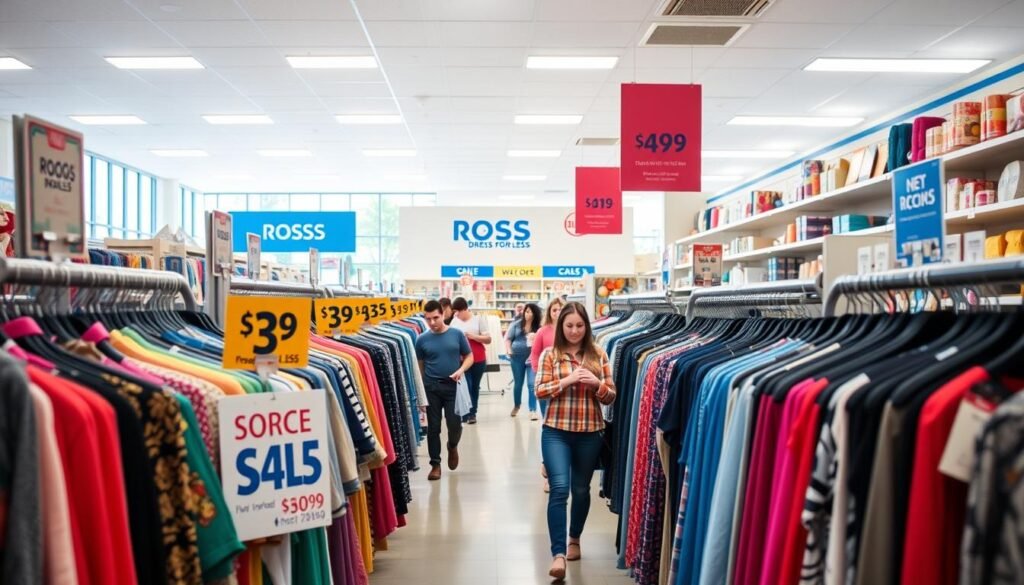
This model allows Ross Dress to buy merchandise differently than stores like Macy’s. They purchase overstock, canceled orders, and excess inventory directly from brands. These items didn’t sell at full price elsewhere.
Suppliers are motivated to unload this inventory quickly. Ross buys it at a steep wholesale discount. They then pass those savings directly to you.
The value you get comes from paying for the product, not the fancy shopping experience.
Beyond smart buying, Ross keeps operational costs minimal. You won’t find expensive store designs or large sales teams. This bare-bones approach slashes overhead.
Those savings also translate into the low prices on the tags. You can find incredible deals, often 20% to 60% below department stores like Nordstrom. It’s a trade-off that prioritizes your wallet.
Ross vs. T.J.Maxx: A Detailed Price and Product Comparison
When deciding between two popular discount retailers, understanding their differences can maximize your savings. Both stores operate on similar off-price models, but their approaches to brands and product categories vary significantly.
Comparing Price Points on Jeans, Shoes, and Accessories
For everyday essentials like jeans, Ross often delivers better prices. You’ll find Calvin Klein jeans for $24.99 compared to department store prices over $40. The same applies to shoes from brands like Nike and Vans.
Vans high tops cost just $34.99 at Ross versus nearly $80 elsewhere. When it comes to athletic socks, both stores offer identical prices, so you won’t find an advantage shopping at one over the other.
Inventory Rotation and Brand Selections
The brand selection differs noticeably between these retailers. T.J.Maxx carries higher-end labels like The North Face and Michael Kors. Ross focuses more on accessible brands like Gap and Aeropostale.
For baby goods, Ross clearly wins with extensive selection of Carter’s and Gerber products. Both stores rotate their inventory frequently, meaning you might find something amazing one time but not the next visit.
Your shopping strategy should match your brand preferences and product needs. Knowing these differences helps you choose the right store for each shopping trip.
Quality, Knockoffs, and the Perception of Value
When you discover a familiar brand at a fraction of its usual cost, it’s important to know the story behind that particular item. Not everything at discount stores is exactly what it appears to be.

Some merchandise comes from factory outlets specifically made for discount retailers. These items were never sold in regular retail stores.
Authenticity vs. Made-for-Outlet Merchandise
That brand-name clothing you find might be a factory outlet second. It was manufactured with lower-quality materials than the real thing sold at full-price stores.
For example, Banana Republic items often have three squares on the brand tag. This indicates they came from a Banana Republic factory outlet. They never appeared in regular Banana Republic stores.
Ross sells these made-for-outlet items at lower price points. While you’re getting genuine branded merchandise, the quality may not match your expectations.
Years ago, shoppers filed a lawsuit about inflated “original” values on price tags. The company settled for $4.9 million in 2018. Similar retailers like T.J.Maxx have faced similar accusations.
Understanding these practices helps you set realistic expectations about the value you receive. It doesn’t mean you shouldn’t shop at these stores, but it makes you a smarter consumer.
The Shopping Experience: Atmosphere, Inventory, and Staff
The moment you step inside, the unique atmosphere of a Ross Dress for Less store immediately sets it apart. The color scheme feels like stepping back in time, reminiscent of what Walmart looked like years ago before modern rebranding.
You’ll encounter racks that present two extremes. Some are nearly empty while others are so packed they create navigation challenges. This contributes to what many describe as a chaotic but exciting treasure hunt.
Store Layout and Aisle Organization
The layout prioritizes function over fancy displays. Items get grouped by general category rather than meticulous merchandising. Don’t expect the careful organization found in traditional stores.
This approach means you’ll spend more time searching through crowded racks. The experience can feel tiring but rewarding when you find something perfect. Understanding this helps you approach shopping with the right mindset.
Customer Service and Employee Insights
During most visits, you’ll typically spot only three employees in the entire store. Two usually work registers while one might be stocking or organizing.
This minimal staffing means you’re largely independent when browsing. If you know Ross well, you understand assistance is limited. The company reportedly pays sales associates competitively, though stockers earn closer to minimum wage.
The bare-bones approach keeps costs low, passing savings to you. Embracing this self-service model makes the experience more enjoyable when you find something amazing.
Brand Selection: From Designer Labels to Daily Deals
Knowing which brands consistently appear on the racks can transform your bargain hunting from random luck to strategic success. The selection at these stores reflects their specific buying partnerships.
Designer Brands vs. Off-Price Alternatives
You’ll find different brand tiers depending on which discount retailer you visit. Some focus on premium designer labels while others specialize in accessible everyday brands.
| Store | Brand Examples | Typical Price Range | Best For |
|---|---|---|---|
| Ross | Calvin Klein, Gap, Nike, Aeropostale | $20-40 for jeans/shoes | Everyday clothing, baby goods |
| T.J.Maxx | The North Face, Michael Kors, All-Clad | $40-100+ for premium items | Designer finds, luxury brands |
| Both Stores | Barbie, Disney, Lego, Squishmallows | $10-30 for toys | Children’s items, seasonal goods |
While you might occasionally discover a premium designer handbag, Ross primarily stocks mid-tier brands from department stores like JCPenney.
Specialty Sections: Baby Goods and Everyday Essentials
Ross excels in specific categories where their buying power delivers exceptional value. The baby section features trusted brands like Carter’s and Gerber at significant savings.
For everyday clothing, you’ll find consistent deals on jeans and shoes from recognizable names. This strategic selection makes your shopping trips more productive.
Conclusion
Understanding the business model behind these bargain prices transforms how you approach discount shopping. The incredible deals at Ross Dress stores result from strategic buying of overstock merchandise and factory seconds.
You get amazing prices on brand-name clothing, jeans, and everyday items. This comes with trade-offs like crowded racks and limited staff assistance. Your shopping success depends on patience and timing.
Armed with this knowledge, you can maximize value during each visit. The treasure hunt becomes more rewarding when you understand the retail strategy that has evolved over many years.