How to Prepare and Grind Eggshells for Optimal Use in Your Garden
Have you ever looked at those leftover eggshells in your kitchen and wondered if they could be more than just trash? I used to feel the same way, watching what felt like wasted potential go straight to the landfill. But then I discovered something amazing.
Those fragile shells you crack open for breakfast hold incredible power for your garden. They’re a free, natural resource that generations of gardeners have secretly used to boost their plants’ health for How to Prepare and Grind Eggshells for Optimal Use in Your Garden.
This article will guide you through the simple process of turning kitchen scraps into garden gold. You’ll learn how to transform ordinary eggshells into a powerful, calcium-rich amendment that your plants will love.
The best part? You’re helping the environment while saving money. Instead of buying expensive fertilizers, you’re recycling what you already have. Whether you grow herbs on a windowsill or vegetables in a backyard plot, these methods work for any space.
Get ready to embark on an exciting journey from cracked shell to crushed powder. Your garden—and the planet—will thank you for it.
Key Takeaways
- Eggshells are a free, sustainable source of calcium for your plants
- This practice reduces kitchen waste while improving garden health
- The techniques can be scaled for any garden size, from small pots to large plots
- You’ll learn multiple methods for processing eggshells effectively
- Discover creative uses beyond basic plant fertilization
- Understand the science behind why eggshells benefit your garden
- Save money by creating your own natural garden amendment
Introduction to Eggshell Benefits for Your Garden
The same structural material that forms animal bones can transform your soil’s health. Those fragile containers hold incredible potential for your garden’s vitality.
Understanding Essential Calcium and Nutrients
Eggshells consist of 93 to 97 percent calcium carbonate. This compound strengthens both animal skeletons and plant cell walls.
Beyond this primary mineral, shells contain magnesium, selenium, and strontium. They also provide protein, nitrogen, and phosphoric acid.
These whole-food nutrients are easier for plants to absorb than synthetic supplements. Your garden gets a natural source calcium that promotes robust development.
How Eggshells Improve Soil Health and Plant Growth
Calcium deficiency causes serious issues like blossom end rot. Tomatoes and peppers particularly need this mineral.
The calcium from shells strengthens plant cell structure. This helps plants resist disease and support heavy fruit.
Adding this amendment creates balanced soil nutrition. Your plants will thrive with adequate calcium available.
Some crops cannot reach their full potential without proper mineral levels. This natural source calcium gives them the boost they need.
Prepare and Grind Eggshells for Your Garden
Before those calcium-rich shells can benefit your plants, they need proper cleaning and processing. This ensures safety and effectiveness in your garden.
Sanitizing and Drying Your Eggshells
Start by rinsing your collected shells immediately after use. Store them in the refrigerator for up to five days. For longer storage, freeze them.
Sanitization eliminates salmonella risks. While some gardeners skip this step, proper cleaning protects your family and garden.
The boiling method works well. Place 10-12 shells in a saucepan, cover with water, and boil for 15 minutes.
Baking is the most popular method. Spread shells on a cookie sheet in a single layer. Bake at 225°F for 20 minutes or 350°F for 10 minutes.
Higher temperatures require less time. Baking sanitizes and dries the membrane inside.
For oven-free drying, use sunlight. Lay shells on a screen in direct sun for one to two days. The membrane should dry completely.
Tools and Techniques for a Fine Eggshell Powder
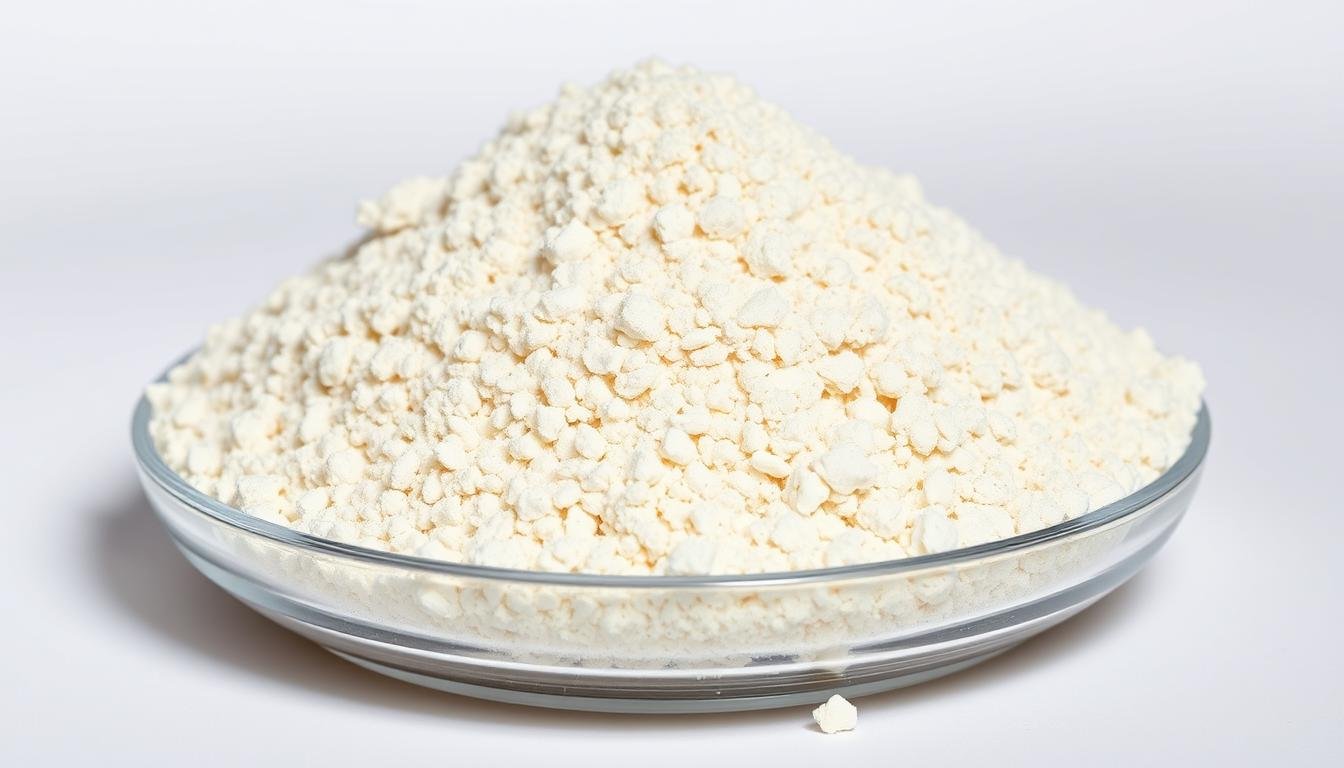
A coffee grinder produces the finest powder. This mixes seamlessly into soil. Your plants absorb nutrients quickly.
Blenders work for larger batches. Be aware that plastic containers may become etched over time.
Hand-crushing offers a satisfying alternative. Use a large flat spoon to mash baked shells. Continue until you achieve sand-like texture.
| Method | Best For | Result Quality | Time Required |
|---|---|---|---|
| Coffee Grinder | Fine powder | Excellent | 2-3 minutes |
| Blender | Large batches | Good | 5 minutes |
| Hand Crushing | Small quantities | Medium | 10-15 minutes |
| Mortar & Pestle | Precise control | Very Good | 8-10 minutes |
Make sure your final powder is fine enough to measure by tablespoon. Store in an airtight mason jar in a cool, dry cupboard. It remains viable for up to one month.
Creative Uses for Eggshells Beyond Fertilizer
Beyond nourishing your plants, eggshells reveal a world of practical applications throughout your home. These versatile shells serve multiple purposes that might surprise you.
Repurposing Eggshells as Seed Starters and Pest Deterrents
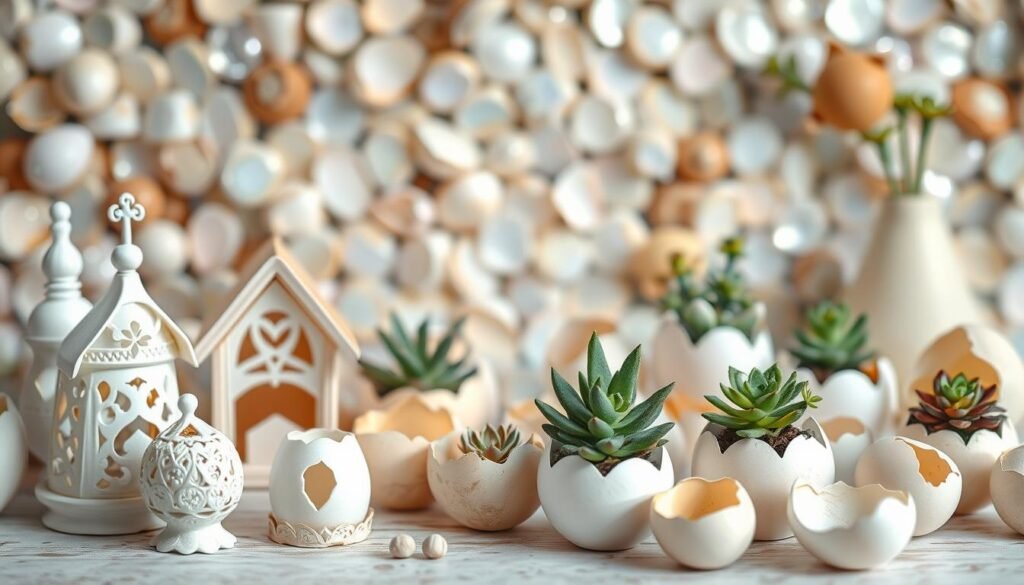
Transform empty shell halves into natural planters for your seedlings. Carefully wash each half and fill with potting mix. Place one seed per container.
Water lightly every other day since drainage is limited. Your young plants receive calcium as the shell breaks down. This method works beautifully for tomatoes and peppers.
Crushed material also deters garden pests effectively. Sprinkle it around plants to create a barrier against slugs and snails. Always use sanitized shells to avoid attracting unwanted visitors.
Innovative Home and Kitchen Applications
Discover unexpected uses for these calcium-rich containers. Add a small amount to your coffee grounds before brewing. The alkaline properties reduce bitterness naturally.
Chicken owners find ground shells invaluable. Laying hens need calcium for strong egg production. Mix powdered shells with regular feed as a nutritional boost.
Household cleaning becomes easier with this natural abrasive. Combine with baking soda for stubborn stains. The gritty texture works wonders on cookware.
| Application | Preparation Needed | Best Results | Frequency |
|---|---|---|---|
| Seed Starters | Light washing | Tomatoes, peppers | Seasonal use |
| Pest Control | Thorough sanitizing | Slug prevention | Monthly refresh |
| Coffee additive | Raw shells only | Reduced acidity | Each brewing |
| Chicken supplement | Fine powder | Stronger shells | Daily mixing |
Integrating Eggshell Calcium Into Your Gardening Routine
The real magic happens when you start incorporating eggshell powder into your regular plant care. This natural supplement works best when applied consistently throughout the growing season.
Mixing Eggshell Powder with Compost and Soil
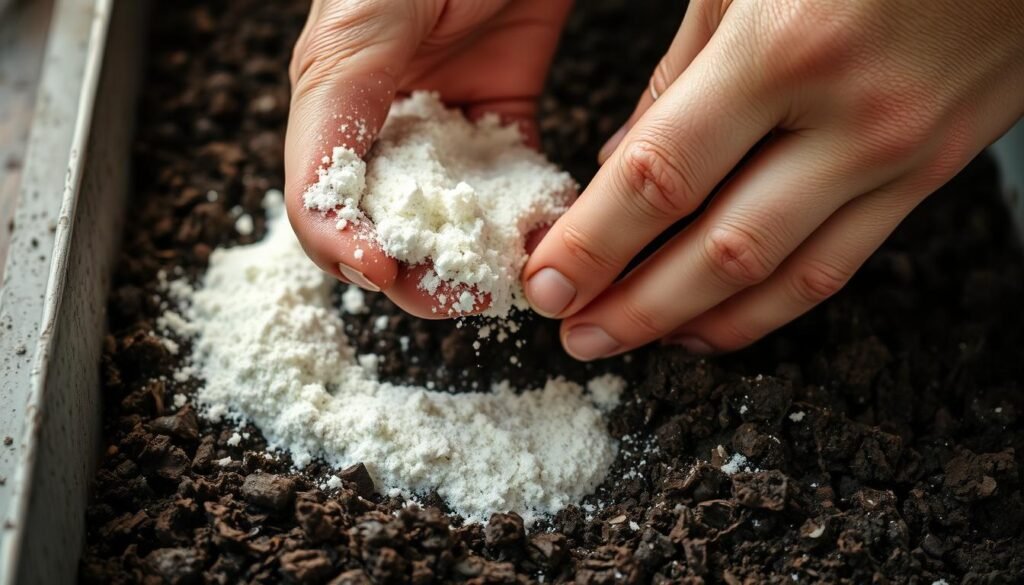
Begin with the most direct method: adding crushed material at planting time. This approach works wonders for calcium-hungry crops like tomatoes and peppers.
Many experienced gardeners swear by this recipe: mix one heaping tablespoon of crushed eggshells with one tablespoon of Epsom salts in each planting hole. The combination provides extra calcium to prevent blossom end rot while supplying magnesium for plant vigor.
For plants showing severe deficiency symptoms, an emergency treatment may help. Dissolve one to two handfuls of barb lime in a gallon of water and apply carefully. Make sure not to over-apply lime, as too much can harm your plants.
Adding shells to compost represents perhaps the easiest way to use this resource. The material breaks down to enrich finished compost with valuable nutrients. Crushing shells before composting speeds decomposition significantly.
For maximum nutrient availability, create a liquid fertilizer. Steep finely ground powder in warm water placed in sunlight. Enhance this mixture with Epsom salts and fish emulsion for a complete spray-on fertilizer.
Apply these enriched fertilizers once monthly during the growing season. This regular practice transforms kitchen waste into a valuable soil amendment that improves structure and nutrition.
Conclusion
You’ve just discovered how ordinary kitchen waste can become garden treasure. This journey transforms simple shells into powerful plant nutrition.
These calcium-rich containers offer remarkable versatility. They enrich soil for your tomatoes, supplement feed for laying hens, and even improve your morning coffee. The process adapts to any equipment you own.
Start small by collecting shells over a few days. Try one method that fits your routine. Soon, this sustainable practice will feel natural. Share these techniques with fellow gardeners to spread the benefits.
Every shell you save creates a healthier garden and reduces waste. Your plants will thrive with this natural boost. Embrace this simple way to connect with sustainable living.